
Benefits of Planned Tree Maintenance


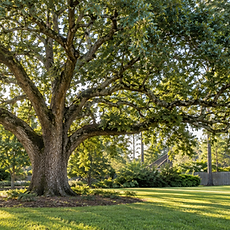

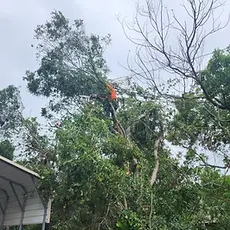
Show Us the Tree
Upload a photo or tell us what you see, where the tree stands, and what concerns you.
Tell Us Your Goal
Choose pruning, removal, emergency help, stump grinding, or a clearer tree assessment.
Get a Clear Plan
Receive a clear scope, access plan, and estimate before the crew begins work.
Review, Approve, Schedule
Ask questions, approve the plan, and choose a time that works for your property.
Serving Houston & Nearby Communities
Based in Houston. Include your address with your request so Optimum Tree Service can confirm coverage and scheduling for your property.
Tree Work You Can Understand
Tree maintenance keeps a tree safe, structurally sound, and healthy by removing dead or weak wood, protecting its roots and soil, and catching problems early. In Houston's clay soils, heat, and storm season, planned care lowers the risk of costly failures and helps protect your property's value.

Our Services
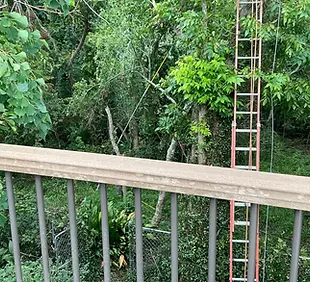
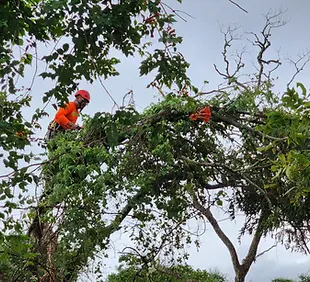

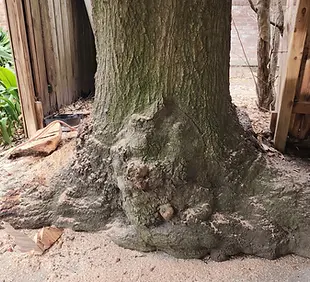
Safer Clearances
Address branches near roofs, driveways, walkways, vehicles, and other frequently used areas.
Healthier Structure
Selective pruning can support natural form, remove dead or damaged growth, and guide young trees as they develop.
Better Storm Readiness
Routine observation makes it easier to notice broken limbs, weak attachments, or declining growth before severe weather.
Why Planned Tree Maintenance Matters
What are the benefits of tree maintenance?
Tree maintenance is planned care that keeps a tree safe, structurally sound, and healthy over the long term. The main benefits are:
Safety. Dead, cracked, or weakly attached limbs are removed before they can fall on people, vehicles, or roofs.
Stronger structure. Young trees are guided toward a sturdy framework, and mature trees are kept in balance so no single limb carries too much weight.
Better health. Regular inspection catches decline, pests, disease, and soil or root problems while they are still manageable.
Safe clearance. Branches stay off roofs, walls, driveways, and walkways, and out of sightlines.
Storm readiness. Removing dead wood and correcting weak growth can reduce some preventable storm damage, although no tree is storm-proof.
Shade and appearance. Well-kept trees keep their natural form and provide dependable shade.
Property value. Healthy, well-documented mature trees support curb appeal and the long-term value of your property.
Why is tree maintenance important?
A tree is a living structure that grows slowly, cannot move out of the way of its problems, and keeps every defect it develops. A weak branch union or a damaged root does not disappear on its own; it grows with the tree. Small corrections made early are usually simpler, safer, and less costly than large corrections made late.
Houston adds its own stresses. Clay soils swell when wet and shrink when dry, which can strain roots. Long hot summers, heavy rain, and periods of flooding or drought stress trees at different times of year. Storms such as Hurricane Harvey in 2017 and Hurricane Beryl in 2024 reminded Houston-area property owners how quickly a tree with unaddressed defects can become a hazard.
What happens when trees are not maintained?
Neglect rarely causes a problem overnight. Risk builds as defects go unaddressed:
Dead wood accumulates in the canopy and eventually falls.
Co-dominant stems and tight V-shaped branch unions with included bark can split under wind or weight.
Long, heavy limbs overextend and can break or tear the trunk.
Dense, unthinned canopies catch more wind during storms.
Decay advances inside the trunk or roots where it cannot be seen from the ground.
Roots suffer from compaction, soil changes, trenching, or construction, and the tree slowly declines.
Branches rub roofs, gutters, and siding, and grow toward utility lines.
Stressed trees are more vulnerable to pests and disease.
The result can be a sudden failure, an emergency removal that costs more than planned care would have, damage to property, injuries, or a lower property value. Not every neglected tree fails, but the risk rises as unaddressed defects pile up.
How does a tree work? A plain-language guide to tree physiology
Understanding how a tree lives explains why some practices help and others cause harm.
Leaves make the food
Through photosynthesis, leaves use sunlight, water, and carbon dioxide to make sugars. These sugars fuel growth, defense, and repair. Removing too much of the canopy at once cuts the tree's food supply.
Roots take up water and anchor the tree
Most of the fine roots that absorb water and minerals sit in the upper layers of soil, often within the top foot or so, and they spread well beyond the edge of the canopy. Many roots also partner with soil fungi that help them take up water and nutrients. Compacted, flooded, paved, or dug-up soil harms this system.
Wood and bark move water and sugar
Just under the bark, a thin layer called the cambium adds new wood and bark each growing season. Water and minerals travel upward through the outer layers of wood (xylem), while sugars travel through the inner bark (phloem). Wounds or girdling that interrupt these layers can starve or dehydrate part of the tree.
Trees seal wounds; they do not heal them
Unlike animals, trees do not regenerate damaged tissue. They wall off the injury, a process called compartmentalization, and grow new wood around it. Every cut is therefore permanent. This is why pruning cuts belong just outside the branch collar, and why topping, which leaves large wounds, does lasting harm.
Stored energy is the tree's safety net
Trees store energy reserves in their roots and trunk wood. Those reserves power spring growth and recovery after storms, drought, or pruning. Repeated stress, heavy pruning, or root damage drains the reserves and leaves the tree less able to recover.
What does a tree need to flourish?
The right tree in the right place. Species, mature size, soil, drainage, sun, and nearby structures should match.
Deep, infrequent watering during dry periods. Slow soaking that reaches the root zone is better than frequent shallow watering, and soil that stays waterlogged is as harmful as soil that stays dry.
Mulch. A layer of wood-chip mulch about 2 to 4 inches deep, spread over the root zone and kept a few inches away from the trunk, helps hold moisture and moderate soil temperature. Piling mulch against the trunk does harm.
Protected roots and soil. Avoid compaction, regrading, trenching, and paving over the root zone, and plan construction around it.
Correct planting depth. The root flare, where the trunk widens at the base, should sit at or just above the soil surface.
Structural pruning while young. Early, light corrections build a strong framework and reduce the need for large cuts later.
Selective, well-timed pruning. Remove specific branches for a clear purpose. A common professional guideline is to avoid removing more than about one quarter of the live canopy in a single season. Avoid topping.
Regular inspection. Look over your trees at least once a year and after severe weather, and have a qualified arborist review anything that concerns you.
Timing matters for some species. For oaks, Texas A&M Forest Service guidance urges caution about pruning during the warm months, especially spring, because of oak wilt, so ask before cutting an oak.
What can tree maintenance not fix?
Maintenance improves a tree's odds, but it has limits:
It cannot reverse advanced decay in the trunk or roots.
It cannot make a tree storm-proof.
It cannot cure a disease on its own; some problems need specific treatment or removal.
It cannot correct a severe structural defect or a tree that is too large for its site.
It cannot undo major root loss from construction or prolonged flooding.
When a tree's condition is uncertain, an on-site inspection is the right next step. Photos help start the conversation but do not replace an in-person assessment, and Optimum Tree Service does not diagnose tree risk from an online submission.
Warning signs to watch for
Contact Optimum Tree Service for a review if you notice:
Dead, dying, or broken branches in the canopy
Cracks, splits, or deep cavities in the trunk or large limbs
Mushrooms, conks, or other fungal growth at the base or on the trunk
A lean that is new or increasing, or soil that is heaving or cracking near the base
Thin, discolored, or prematurely dropping leaves
Large limbs hanging over roofs, driveways, or play areas
Cut, lifted, or exposed roots, or new construction near the tree
Damage after a storm, flood, or lightning strike
Keep people and pets clear of damaged trees. Never climb, prune, or cut near power lines; contact the utility company.
How does tree maintenance add value to your property?
Healthy mature trees are one of the few landscape features that can gain value as they grow. Maintenance protects that value in several ways:
Curb appeal and shade. Well-structured, healthy trees improve the look of a property, and properly placed shade trees can help reduce summer cooling costs.
Protection of the home. Removing dead wood and correcting weak growth lowers the chance of limb or tree damage to roofs, fences, vehicles, and neighboring property.
Market appeal. Research, including work associated with the USDA Forest Service, has linked healthy mature trees with higher property values. The effect varies by market and property.
Lower long-term cost. Planned care helps avoid many emergency removals and repairs.
Documented condition. Records of inspection and care help show a tree's condition, which matters in a formal appraisal, where value depends on species, size, condition, and location.
The reverse is also true: a neglected tree can become a liability that reduces value. Our Tree Appraisal page explains how a preliminary, photo-based look at a tree works; formal appraisals for insurance, legal, or tax purposes require a qualified professional.
How Optimum Tree Service helps
Optimum Tree Service reviews the tree, the surrounding property, nearby utilities, targets beneath the crown, and crew access before recommending work. Services include tree trimming and pruning, removal of hazardous or dead trees, stump grinding, and help with storm-damaged trees. To start, send clear photos and your main concern through our Tree Report, or request a free estimate. Include your address so we can confirm coverage.
Last reviewed: October 2026.
Sources and further reading
International Society of Arboriculture, TreesAreGood.org tree care guidance
Texas A&M Forest Service, tree care and oak wilt guidance
USDA Forest Service, research on urban trees and property values
ANSI A300, tree care performance standards for pruning